Electrification & Product Complexity: Why Heat Pumps Are Redefining HVAC Engineering
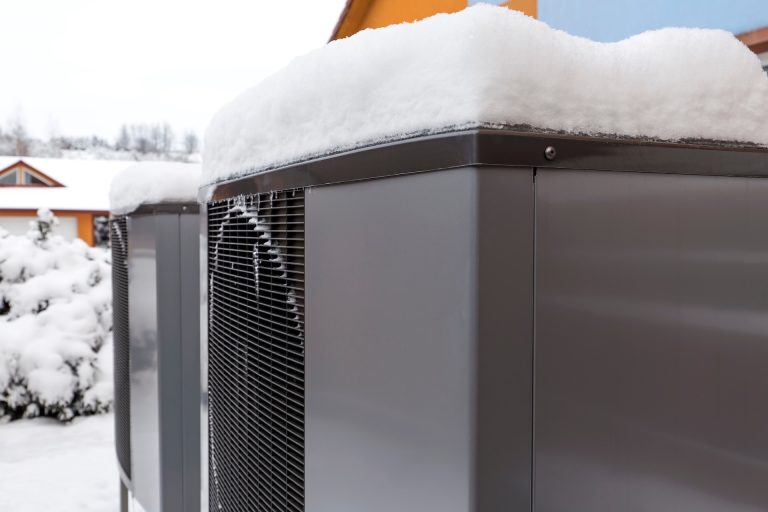
The move toward electrification, which is being driven by the use of heat pumps, regulatory pressure, and goals to reduce carbon emissions, is fundamentally changing how HVAC products are designed and made. Heat pumps are no longer just mechanical systems; they are now electronics- and software-driven platforms, where control architecture plays a central role in performance, reliability, and scalability.
This shift introduces product complexity for U.S. HVAC OEMs, which directly impacts engineering workflows, manufacturing readiness, and long-term service outcomes.
The Critical Path Is Now to Increase Electronic Content
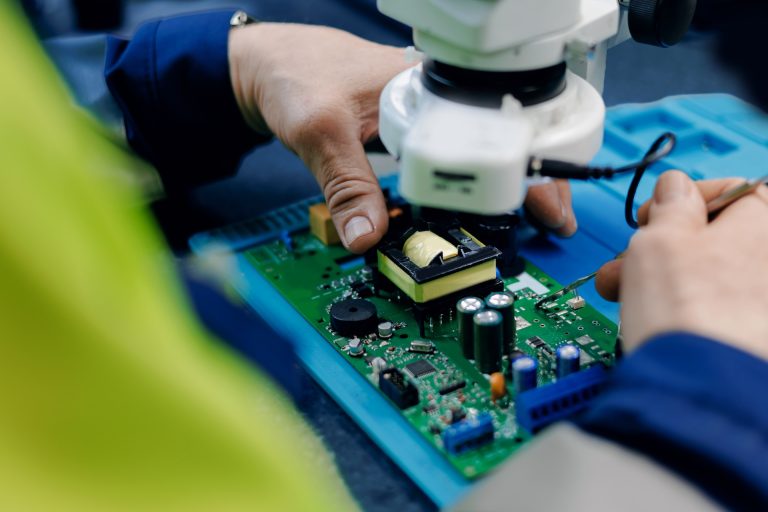
Modern heat pump platforms have a lot more electronics than old HVAC systems. Several PCBAs handle control logic, power management, sensing, diagnostics, and communications. There are now more sensors to measure parameters like temperature, pressure, airflow, safety, and the health of the system. Embedded firmware controls the order of operations, modulation, defrost cycles, and fault handling.
As electronic content grows, so does the risk of long lead times for parts, firmware not being ready, and changes in the supply chain. Electronics are no longer just extras; they often determine the most important steps in production. If control electronics or firmware validation takes too long, it can stop whole programs, even if the machines are ready.
Control Logic has Become the Primary Performance Driver
Electrification shifts system behavior from having fixed mechanical responses to having software-defined operations. Control algorithms now handle startup sequencing, compressor modulation, safety limits, and efficiency optimization instead of just mechanical tolerances.
This means that managing the firmware lifecycle—such as validation, version control, update strategy, and field behavior—is an important part of making a product. Control logic decisions have a direct effect on the system’s stability, safety margins, and ability to be serviced.
OEMs no longer think of firmware readiness as an afterthought; it can affect when a product is launched, how much work goes into commissioning it, and how reliable it is in the field when it first comes out.
Cross-discipline integration has become a necessity.
The integration of heat pump electrification enhances the interdependence among mechanical, electrical, and software engineering disciplines. Mechanical design decisions impact the positioning of sensors and the responsiveness of control systems. The design of electrical architecture influences thermal performance and power management capabilities. The software logic dictates the operational aggressiveness of components and the management of faults.
Developing these domains in isolation often leads to integration issues emerging late in the process specifically during system validation, manufacturing ramp-up, or field deployment resulting in costly and disruptive fixes.
The intricate nature of contemporary heat pump systems necessitates cross-disciplinary integration as a fundamental design requirement rather than merely a best practice.
Manufacturing Readiness Starts Earlier in Engineering
With the increasing importance of electronics and controls in system performance, it is essential to integrate manufacturing considerations earlier in the design process. PCBAs must be engineered with a focus on manufacturability and testing efficiency. Firmware loading, configuration, and traceability need to be consistently reproducible across large-scale operations. End-of-line testing must
increasingly focus on validating control behavior in addition to ensuring electrical continuity.
Design modifications in the later stages, prompted by manufacturability or supply limitations, can have cascading effects on hardware, firmware, and validation strategies, leading to heightened risk and increased costs.
For OEMs, the initiation of manufacturing readiness now occurs during the engineering phase, rather than post design freeze.
Diagnostics and Service Expectations Continue to Rise
As product complexity escalates, there is a concurrent rise in expectations regarding commissioning speed, troubleshooting precision, and lifecycle support. Installers, service technicians, and system integrators require enhanced visibility into system behavior to effectively diagnose issues.
In the absence of diagnostic capabilities integrated into the control layer, complexity is transferred downstream, leading to extended commissioning periods, elevated service expenses, and heightened warranty risks. As heat pumps evolve to incorporate more data, it is essential that diagnostics are integrated into the platform from the outset rather than being retrofitted subsequently.
Implications for HVAC Original Equipment Manufacturers
Electrification represents more than just a change in products; it entails a transformation in organizational structure and processes. The rise in electronic components, the shift towards software-defined functionalities, and the growing interdependencies across various disciplines are altering the locations of risk throughout the product lifecycle.
OEMs that approach electrification as a minor adjustment frequently encounter integration delays, manufacturing inconsistencies, and service difficulties. Designing for complexity at the outset enables improved scalability in production, adaptability to supply fluctuations, and consistent performance in operational environments.
How Avnan Can Help
As heat pump platforms evolve to be more focused on electronics, original equipment manufacturers are relying more on partners who comprehend the interplay between control architecture, embedded firmware, manufacturing processes, and supply chain execution. Ensuring the effectiveness of these systems necessitates initial coordination between engineering and production to handle complexity and mitigate downstream risks.
Heat pump electrification is transforming HVAC design and implementation. Control electronics and software significantly impact manufacturing outcomes, serviceability, and long-term scalability, paralleling the importance of mechanical design. In this context, early decisions in the engineering cycle are critical for ensuring success during production, in operational settings, and throughout the entire product lifecycle.
Looking For A Partner?
If you’re looking for a partner to help you build your electronic controls solution, contact us.
Related Posts
Heat Pump Manufacturing at Scale: Protecting Quality as Volume Rises
Heat pump shipments in the U.S. outpaced fossil fuel furnaces for the fourth consecutive year in 2025. Volumes remain strong despite tariffs, rates, construction delays, and the A2L refrigerant transition. The constraint for HVAC OEMs…
Cold-Climate Heat Pump Engineering: OEM Design Guide
The U.S. market for heat pumps with enhanced low-temperature performance is projected to grow from $380 million in 2026 to $680 million by 2034, at 8.9% annually. Incentives and tighter codes are pulling electrified heating…5 Engineering Factors Influencing Heat Pump Efficiency
When it comes to heat pumps, efficiency is impacted by more than the equipment’s rated performance. Even a well-designed system can fall short of expectations if key design, application, or manufacturing factors are overlooked. For HVAC engineers and OEMs,…