EPA HFC Refrigerant Rule Rollback 2026: What It Means for HVAC OEMs
In May 2026, the EPA extended compliance timelines for the phase down of high GWP HFC refrigerants by several years, giving HVAC manufacturers more time and more refrigerant options. But for OEMs who already redesigned around the original 2026 deadline, they now face critical decisions regarding dual-refrigerant support, legacy component sourcing, and overall product strategy. This regulatory adjustment prompts agile engineering and resilient supply chain planning.
What Did the EPA Change in the HFC Refrigerant Rule?
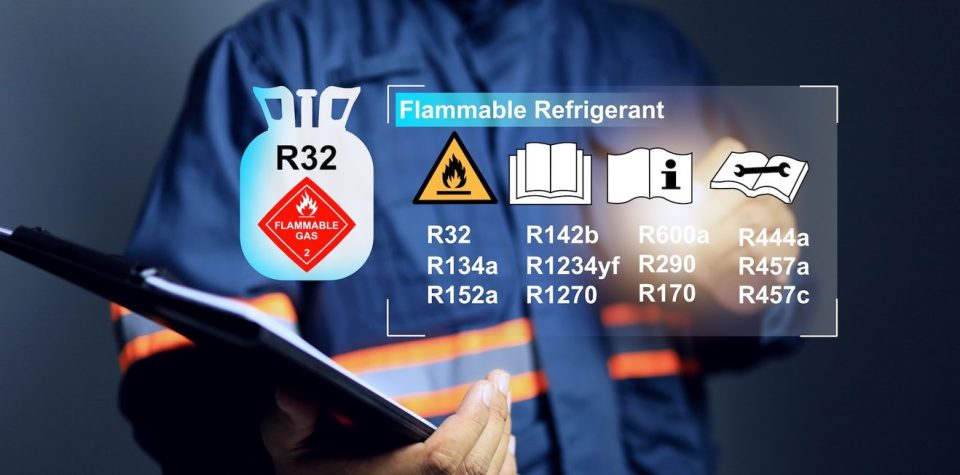
A2L refrigerants require active leak detection built directly into the system. For manufacturers, this means sourcing reliable sensor components, integrating them into existing product architectures, and ensuring they meet the certification thresholds set by UL 60335-2-40 and ASHRAE 15. For procurement teams, it adds a new component category to qualify, source, and manage across the supply chain.
The original 2023 rule, issued under the American Innovation and Manufacturing (AIM) Act, set a 2026 deadline for phasing out high-GWP HFCs like R-410A in favor of lower-GWP alternatives – R-454B and R-32. EPA Administrator Lee Zeldin’s revised rule extends those compliance timelines for many equipment categories, providing HVAC manufacturers with additional flexibility in their refrigerant selection and product transition strategies. The administration estimates that the combined changes will reduce compliance costs and save businesses and consumers more than $2 billion annually.
What It Means for Your Roadmap
If you’ve already redesigned control boards, heat exchangers, or system architecture for low-GWP refrigerants, you now face three options:
- Maintain dual-refrigerant compatibility: more flexible, but adds engineering and testing overhead
- Hold the redesign until regulatory requirements are finalized: preserves the investment, but delays ROI
- Revert resources to legacy platforms: faster near-term, but risks a second transition later
Regardless of the approach, sourcing gets more complicated either way. Legacy refrigerant supply chains that were winding down may now need to stay active longer than planned, and demand patterns for both legacy and next generation components have shifted.
The Real Risk: Designing for One Deadline
Regulatory timelines are moving targets. OEMs zeroing in on a single refrigerant path are left vulnerable every time the rule changes again. What helps protect production schedules and market position? Building products and sourcing strategies that can adapt across refrigerant types, regardless of the way rules change.
How Avnan Can Help
Keeping up with shifting regulations and global supply chain volatility needs a proactive, integrated strategy. At Avnan, we believe that the most successful transitions are built on collaborative expertise. Our focus is on providing the engineering depth and supply chain foresight needed to help OEMs navigate regulatory changes while maintaining product development and production schedules. Whether you are re-evaluating your dual-refrigerant control logic or seeking to build a more resilient, streamlined inventory model, our team is ready to support your specific goals.
Looking For A Partner?
If you’re looking for a partner to help you build your electronic controls solution, contact us.
Related Posts
HVAC Controls, SKU Sprawl, and Rising PCB Costs
HVAC OEMs are under pressure from rising costs on the same parts used across heat pump, fan coil, and ERV: PCBs, copper, compressors, and motors. Manufacturer price increases stacked through 2026, and electronics suppliers are…
5 Costly Mistakes That Delay HVAC Product Development
Every HVAC OEM engineering team has lived through it: a launch date that looked comfortable six months ago is suddenly at risk, and pointing to a single root cause can get challenging. With decisions made too…
Choosing Between Universal and Custom HVAC Control Architectures
Choosing the right HVAC control architecture is a key decision for OEMs. Should products be built around universal HVAC control architectures or custom electronic control design? Each approach influences cost, performance, manufacturability, and long-term support. Understanding the trade-offs helps…